
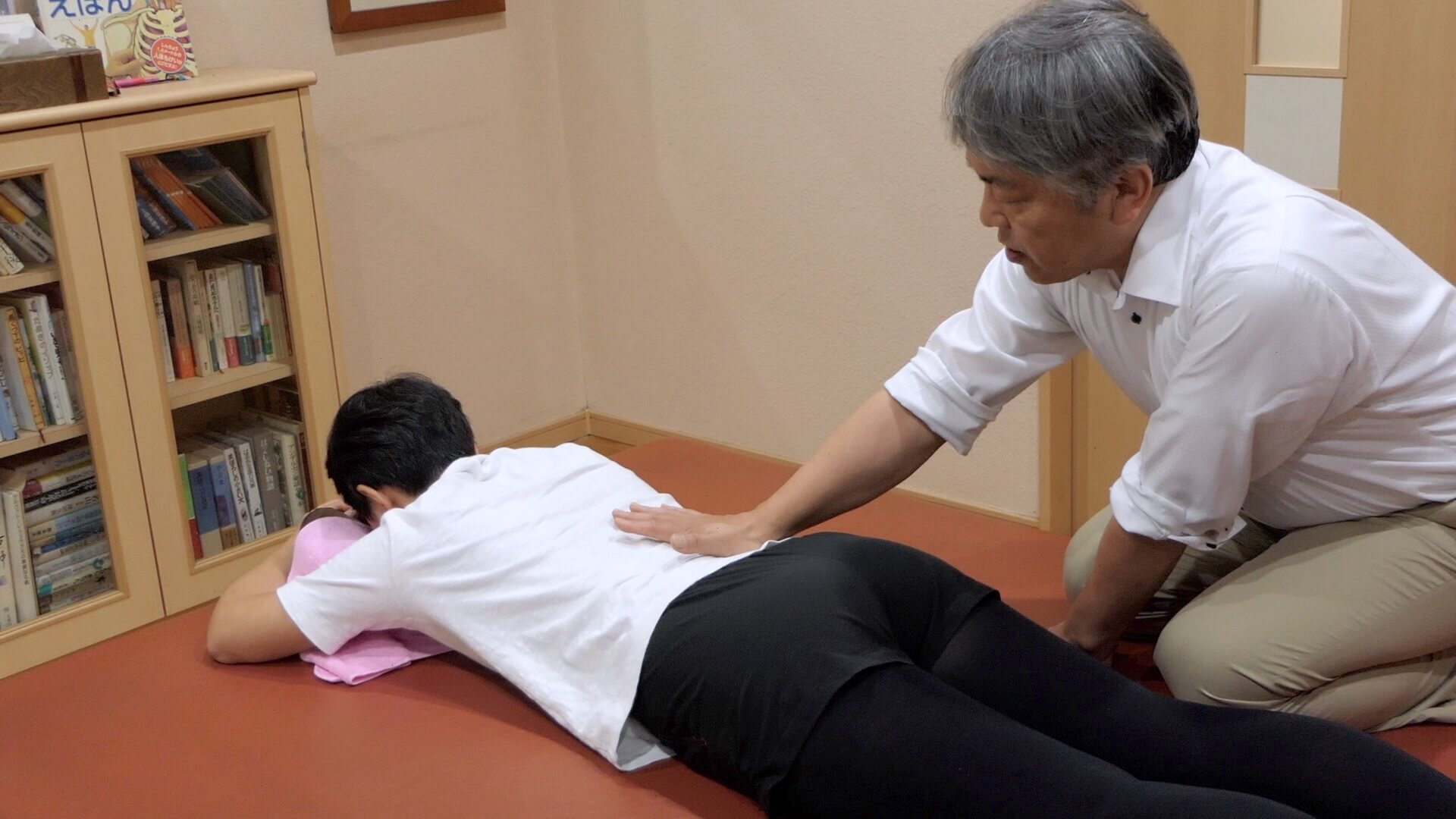
If you watch my YouTube videos on Sotai exercises for self-care at home, you will notice that I begin each treatment session with a gentle foot and toe massage before introducing the Sotai method itself.
I regard this as more than a simple preparatory technique. It helps create a relaxed atmosphere between the patient and practitioner and establishes trust within a short period of time. Building this connection is an essential part of the treatment process.
Sotai is a therapeutic approach that seeks comfortable and natural movements to help restore balance within the body. By guiding the patient to move in directions that feel easy and pleasant, it aims to reduce unnecessary muscular tension and support the normalization of neuromuscular function.
During treatment, the practitioner gently supports the patient’s movement and provides light resistance in the chosen direction. This allows the patient to engage naturally with the movement without force or strain.
At the heart of Sotai is a subtle but important interaction between the patient and the practitioner. As the movement unfolds, both become increasingly aware of the patient’s range of motion, level of effort, and sensations of comfort or discomfort. This shared awareness helps the practitioner respond appropriately while encouraging the patient to develop a deeper understanding of their own body.
Although Sotai is generally considered a safe and low-risk therapeutic method, its effectiveness depends greatly on the quality of this interaction. When the practitioner’s perception and the patient’s experience are closely aligned, treatment can become more precise, responsive, and meaningful.
People differ in age, gender, life experiences, and personal values, yet we all share the same fundamental human structure. When trust is established between practitioner and patient, treatment becomes a collaborative process. Together, they can explore the underlying causes of symptoms, consider possible solutions, and work toward improvement.