
Living the Principles of Sotai in Daily Life
I have previously explained that the Sotai Method is a movement-based approach to restoring balance in the body by guiding it toward directions that feel comfortable and natural.
However, Dr. Keizo Hashimoto, the founder of the Sotai Method, taught that Sotai is much more than a system of therapeutic movement. At the heart of his philosophy lies the principle of Breathing, Eating, Movement, and Thinking (“Soku-Shoku-Do-So”), emphasizing that opportunities for health and healing exist throughout everyday life.
Many discoveries from my clinical practice reflect this Sotai perspective. Among them, two simple habits stand out as particularly valuable: stretching before sleep and stretching upon waking.
Evening Stretching: Preparing the Body for Rest
Have you ever gotten into bed and found yourself unable to fall asleep?
Often, the mind drifts toward worries or unresolved concerns. The harder we try to stop thinking, the more awake we seem to become.
Personally, I sleep deeply almost every night. More often than not, I close my eyes and it feels as though morning arrives moments later.
One of the reasons for this may be a simple stretching routine I perform while lying in bed before sleep.
My focus is usually on the hips and lower body. The most important principle is to begin where the body feels comfortable.
These stretches are not intended to increase flexibility or push physical limits. Their purpose is to release the accumulated tension and fatigue of the day.
I hold each position gently for twenty to thirty seconds, applying only enough pressure to create a pleasant sensation of stretching, never pain. Difficult or uncomfortable movements are unnecessary. Even something as simple as drawing your knees toward your chest can be enough.
Breathing is equally important.
As you stretch, breathe slowly and deeply into the abdomen, allowing the breath to flow without holding it. The body gradually softens, and the mind becomes quieter.
When movement and breathing come together in this way, sleep often arrives naturally.
Morning Stretching: Turning On the Body’s Switch
My morning routine begins with a gentle facial massage to reduce overnight puffiness.
When the face feels swollen, the eyelids may seem heavy and the mind less alert. Puffiness can also contribute to the appearance of facial lines over time.
Using your fingertips and palms, gently massage the areas around the sides of the nose and in front of the ears, imagining puffiness softly draining toward the jawline. Because the movement is easier to demonstrate than to describe, I encourage you to watch the accompanying video on my website for a clearer understanding of the technique.
I then perform several simple facial stretches.
The facial muscles, known as the muscles of expression, are closely connected to the skin. By gently supporting the forehead and cheeks with the hands and lifting outward and upward, these tissues can be stretched comfortably. Holding each stretch for about twenty seconds is usually sufficient.
At the same time, I begin stretching my lower body while still in bed.
I alternately extend, rotate, and gently move my legs, gradually inviting the entire body to wake up.
With practice, even five minutes can make a remarkable difference. If I remember to include diaphragmatic breathing as well, the effect feels even greater.
The Conversation Between Body and Mind
Morning stretching often produces benefits beyond what most people expect.
The mind and body are deeply connected.
When you stand up and notice that your face feels lighter, your movements feel easier, and your body feels refreshed, a thought naturally arises:
“Today might be a good day.”
I like to go one step further and tell myself:
“Today is another good day.”
That simple change in perception often influences the way the entire day unfolds.
Physical comfort encourages a more positive outlook. Energy increases. Motivation appears more easily.
The opposite is also true.
When we begin the morning feeling heavy, stiff, tired, and uncomfortable, those sensations can quietly shape our thoughts and attitudes. Before long, both body and mind seem to agree that it will be a difficult day.
Our bodies influence our thoughts, and our thoughts influence our bodies.
Beyond Movement
The Sotai principle of moving toward comfort applies to more than physical movement alone.
It can also guide the direction of our thinking.
The stretching practices I have described before sleep and after waking are among the daily habits I most strongly recommend. They require no equipment, very little time, and yet they can significantly change how we experience ourselves each day.
In my clinical practice, I also advise patients about standing, sitting, walking, lifting, lowering, and reaching for objects. These ordinary actions all provide opportunities to apply Sotai principles within movement.
Breathing accompanies movement.
Food influences health.
Thought shapes our relationships with others and with ourselves.
Together, these form Dr. Hashimoto’s principle of Breathing, Eating, Movement, and Thinking.
Sotai is not merely a treatment method. It is also a practical way of observing and engaging with everyday life.
I hope to continue sharing these discoveries in future writings.
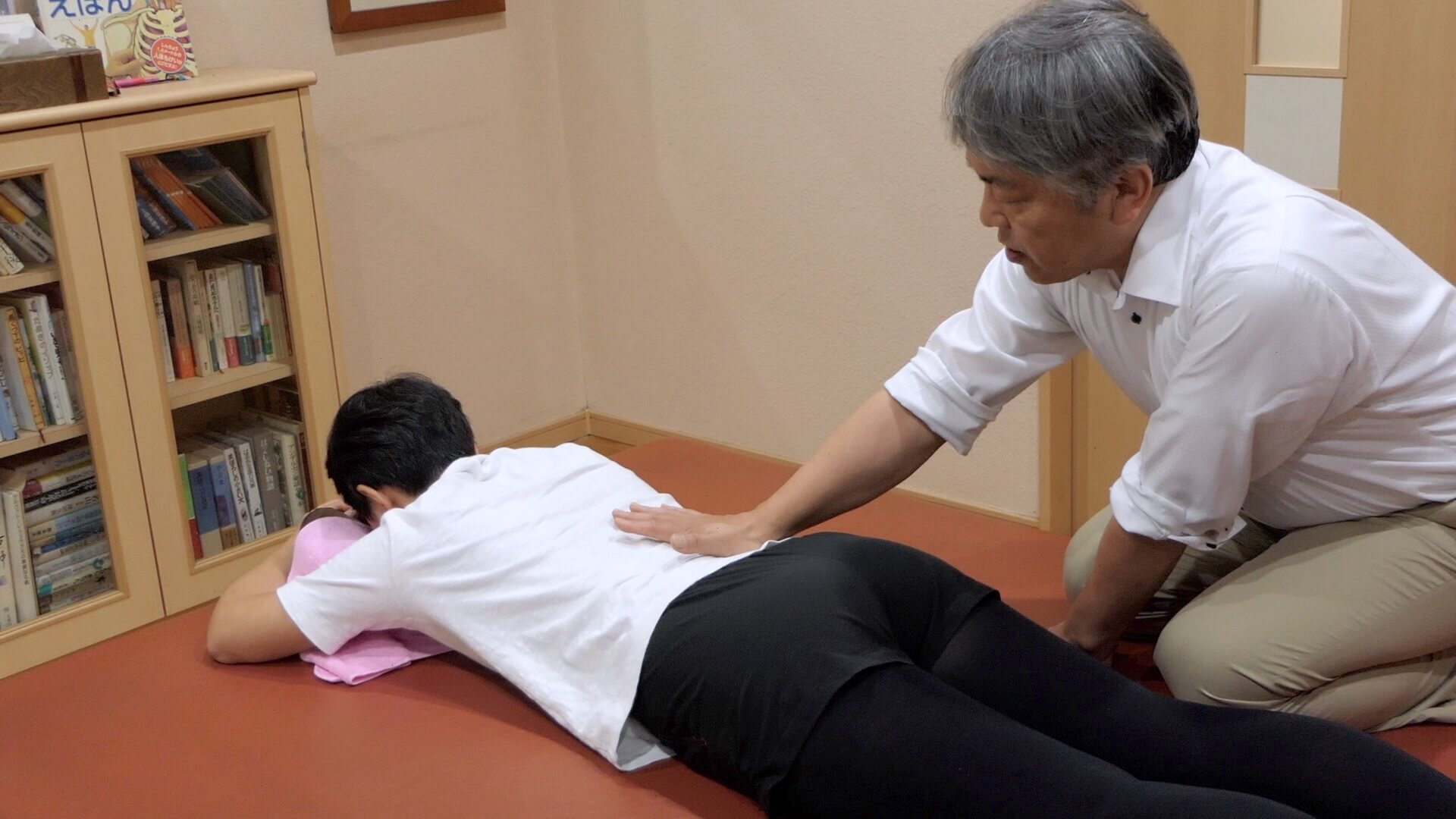
column “Breath Eating Moving Thinking”Blog
posted on / category: column “Breath Eating Moving Thinking”